
I have spent years as a digital accessibility consultant https://ffugucasino.com/en-ca/. Over and over, I have observed small interface decisions build walls for real people. In online casinos, where the fight for players is fierce, real innovation isn’t just about who has the most games. It is about who builds a platform everyone can use. Fugu Casino’s work on visible focus states is a perfect example. It’s a technical, deliberate choice that puts accessibility front and center, especially for people who use keyboards. They’ve turned a basic web standard into a clear edge over the competition.
Explaining the Keyboard Navigation Journey
When using a mouse every day, you might not think about the keyboard. But for an individual with a motor disability, a tremor, or chronic pain, a mouse can be out of reach. These users rely on the Tab key. They navigate from link, to button, to form field, one press at a time. Lacking a clear visual signpost, a complex website turns into a maze. The outcome is frustration, and then the user exits.
This requirement isn’t always permanent. Consider someone with a broken mouse, a power user entering data, or a person who just prefers keyboard shortcuts. A platform that serves them does more than fulfill a guideline. It demonstrates respect for how people actually live and work. It acknowledges that we all communicate with technology in different ways.
Keyboard navigation boils down to a single, crucial question: ”Where am I?” Mouse users see their cursor. Keyboard users want the website to show them. That visual answer is called ”focus indication.” It’s not a complex feature. It’s the cornerstone of any interface you can use without a mouse.
Frequent Pitfalls Other Platforms Ignore
Many gaming sites stumble on basic accessibility. A common problem is the ”keyboard trap” inside a game itself. You can tab into it, but you can’t tab out, requiring a complete browser restart. Another is focus indicators with poor color contrast, making them useless for someone with color blindness.
Custom components are common offenders. A carousel showing new games or a collapsible FAQ menu might work perfectly with a mouse, but do nothing when you press Tab or the arrow keys. These become dead zones in the navigation, disrupting the user’s flow and leaving them stuck.

- No Skip Links: Users have to tab through every main menu link every time they load a page, with no way to jump to the content.
- Vague Links: Links that just say ”Click here” or ”More” are unhelpful to someone listening with a screen reader.
- Random Tab Order: The focus jumps around the page chaotically instead of moving in a predictable, readable order.
These aren’t minor bugs. They are indicators of a process where accessibility is an afterthought, something you patch in later. Fugu Casino’s visible focus strategy hints at the opposite: a development culture where accessibility is a first principle, stopping these common failures from the start.
The Concrete Benefits for Keyboard Users in Canada and Beyond
The key benefit is autonomy. People who use assistive tech or favor keyboards can use the platform on their own terms. They aren’t required to ask for help. This is what digital inclusion truly represents. For Fugu Casino, it builds loyalty with a group of customers many rivals neglect.
In practical terms, keyboard access can render gameplay faster and more precise. Spinning a slot reel repeatedly or placing bets on a live dealer table can be speedier with a key press than a mouse click. A site constructed with keyboards in mind often appears snappier and more solid to use.
- Fewer Mistakes: A clear focus ring means you’re less likely to hit the wrong button and close a game during a bonus round.
- Easier Forms: Signing up or verifying your identity becomes a fluid tab-and-type process, which means more people actually finalize it.
- Better Control: Users can oversee their session without hunting for a mouse, which supports safer play habits.
All this creates trust through a better experience. When a player perceives the site is crafted for their way of doing things, they keep coming back. It signals a level of professionalism and care that’s woven into the code.
Fugu Casino’s Strategic Implementation of Noticeable Focus
Fugu Casino didn’t just switch the browser’s default outline back on. They created a custom focus indicator and applied it consistently across their entire site. This was a choice made early, part of their design system from the start. The indicator has high contrast, works on any background, and is thick enough to spot easily, even if you have low vision or your screen is glarey.
This approach has a direct effect on what players can do. Someone can tab from the login field to the game lobby, into the search bar, through a row of new slots, and onto a ”Play Now” button. They receive a clear, visual confirmation at every single step. That smooth journey isn’t luck. It’s the product of careful planning. It cuts down on mental effort and eliminates the frustration of losing your place on the page.
The technical work goes deeper. The tab order follows a logical path that aligns with the visual layout. When new content loads, like a game launching or a menu opening, the code transfers the focus to the right spot automatically. This attention to detail reveals a real grasp of the Web Content Accessibility Guidelines, especially success criterion 2.4.7, Focus Visible.
Beyond Regulation: The SEO and Usability Benefit
We talk about accessibility as a legal or moral duty, but it offers hard business benefits too. Proper focus management is a key example. Search engine bots move through sites in a way very similar to keyboard-only users. A clear, logical, accessible structure is simpler for Google to crawl and understand, which can aid your search rankings.
The coding standards needed for good keyboard accessibility force developers to write more organized, more semantic HTML. That means appropriate heading structures, helpful ARIA landmarks, and links that truly describe where they go. Search engines appreciate all of these things, because they make content more transparent and the user experience better.
- Crawlability: A coherent focus order and structure help search bots index content correctly.
- Lower Bounce Rates: A site that’s straightforward to navigate keeps people from leaving right away, which search algorithms see as a good signal.
- Wider Reach: Accessible design naturally works more efficiently on more devices and in more situations, providing the door to more traffic.
This initiates a positive feedback loop. The work you dedicate to accessibility boosts core web performance and usability metrics, which are essential for SEO. You get a platform that’s not only more inclusive, but also more rapid and simpler to find for every visitor.
What Are Focus States and Why Are They Invisible?
A focus state is that ring or highlight you observe around a button or link when you tab to it. It’s how the browser indicates, ”This is the active element.” The surprising part? Countless websites purposely strip this away. Designers or developers often see the default browser outline as clunky or ugly, so they hide it with a line of CSS. That single aesthetic choice can make a site impossible to use for a whole group of people.
Online casinos make this problem worse. Their pages are filled with things you can click: game icons, deposit buttons, menus, ads. If all these elements seem the same when tabbed through, the user is adrift. Reaching a specific game, getting to your account, or cashing out becomes a tedious process of guesswork.
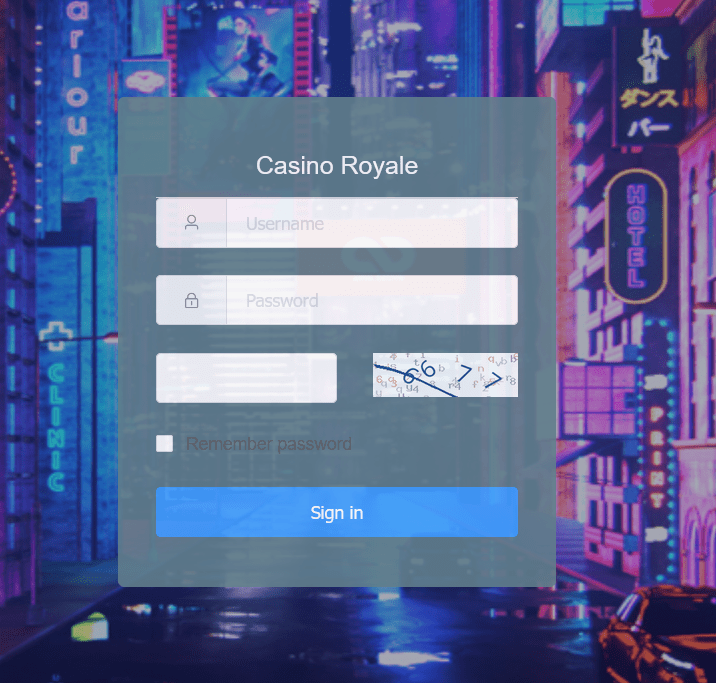
Modern code can create other traps. JavaScript-heavy components, like pop-up modals, often steal focus poorly. A user might tab into a login window, but the next press sends focus to something hidden behind it. This ”keyboard trap” confines the user out completely, a catastrophic failure for anyone not using a mouse.
How Focus States Build a More Balanced Gaming Environment
Online gaming should be about fun, excitement, and a fair chance. An inaccessible platform undermines that promise. The game commences with a struggle against the interface, not the reels. That’s not just. Visible focus states are a straightforward move to balance that initial field.
This type of commitment fosters a larger culture of inclusion. A platform designed accessibly from its foundation sends a message to the whole community: every player is important. It appeals to a more inclusive crowd, which creates the community stronger. It also readies the business for new regulations, as places like Ontario, Canada and the European Union persist to tighten digital accessibility laws.
The triumph here has many sides. Users receive dignity, independence, and uninterrupted fun. Fugu Casino minimizes legal risk, boosts its search presence, captures a bigger market, and carves out a brand identity based on real inclusivity. In a crowded industry, the platform that accepts everyone through functional design goes beyond rules. It establishes the pace. It changes a technical detail into a declaration of values and a means for steady growth.
- Equitable Play in Code: It turns the idea of ”fair play” real in the user interface itself.
- A Hospitable Sign: It informs a global audience, regardless of ability or tech preference, that they are welcome here.
- Legal Compliance: It maintains the platform ahead of stringent accessibility laws in key markets.
- Greater Trust: It generates powerful loyalty from users who are usually an afterthought for other services.
The spotlight on focus states is a small window into a superior way of developing products. It reveals that design centered on real human needs isn’t a restriction on creativity or profit. It’s the source. By making sure keyboard users can navigate as well as mouse users, Fugu Casino isn’t just solving a problem. They are building a real, meaningful advantage.